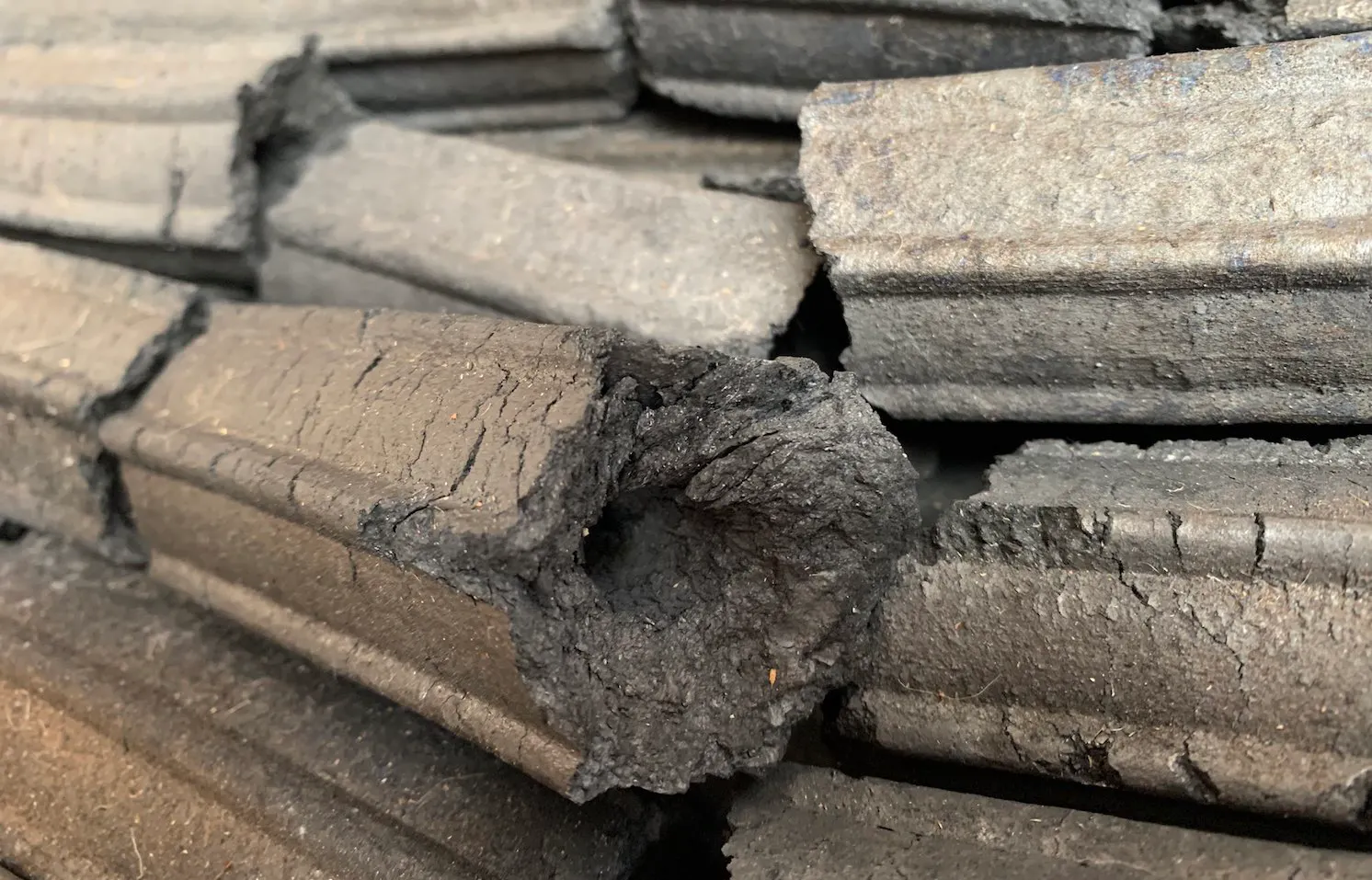
Charcoal logs
$43
Compressed charcoal for long, steady heat. No guesswork, no constant refuelling, no babysitting the fire.
If your cook runs longer than an hour, charcoal logs are the fuel to reach for.
What you get
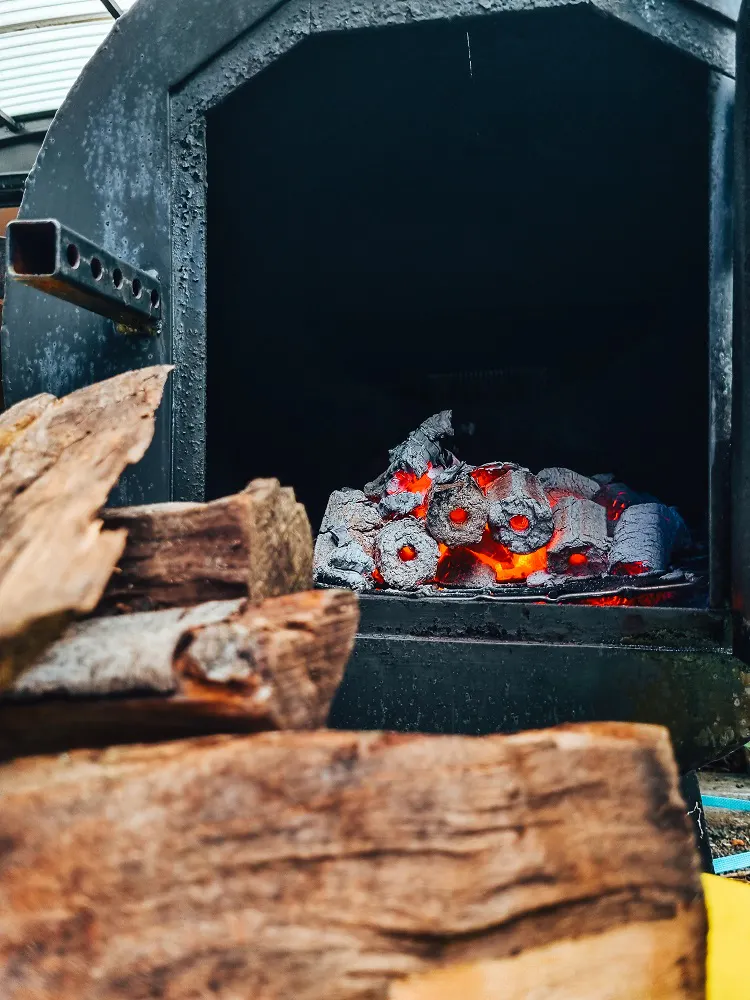
Compressed charcoal logs with natural binders. Uniform shape, consistent burn.
Not the same as supermarket briquettes.
Fewer additives, less ash, cleaner burn. Budget briquettes often contain fillers that affect flavour and leave heavy ash behind. These do not.
When to use charcoal logs
Brisket, ribs, and pulled pork need 6 to 12 hours of steady heat. Charcoal logs hold temperature with minimal intervention. Load the smoker, set the vents, and let them burn.
Cooking for a group means you need fuel that lasts. Charcoal logs give you a longer cook window without adding fuel every 45 minutes.
Restaurants and catering operations need consistency across a service. Each charcoal log burns the same way, so maintaining cooking temperature is predictable.
A snake or minion method with charcoal logs works well for unattended overnight sessions. The uniform shape makes these fuel arrangements reliable.
Which one suits your cook?
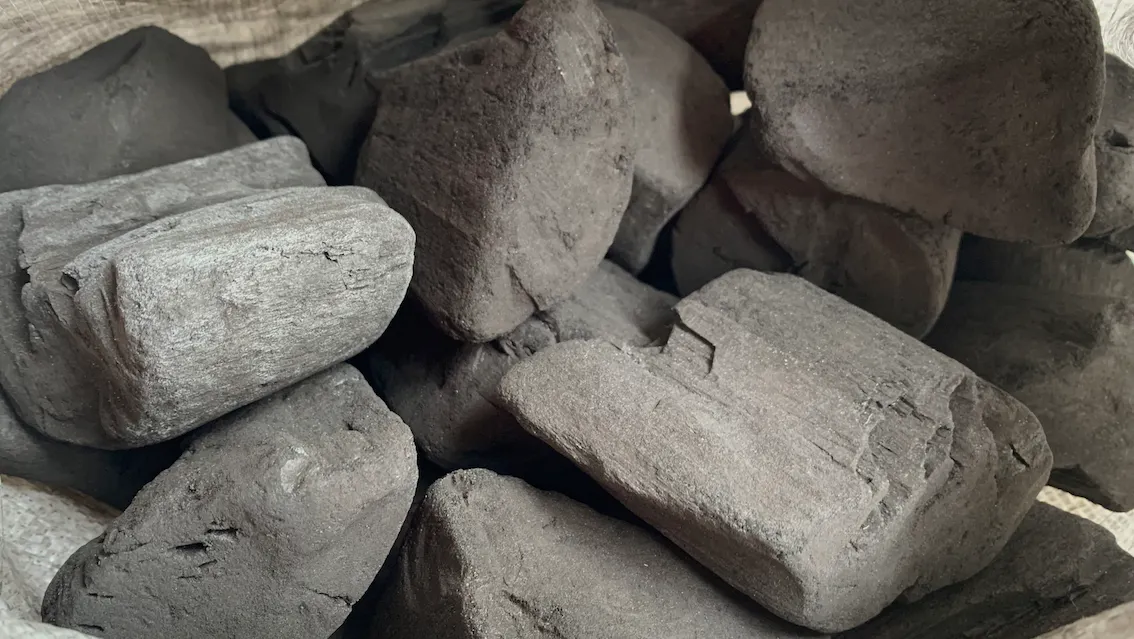
Both work. They are different tools for different jobs.
Plenty of experienced cooks use both. Lump charcoal for the initial sear at high heat, then charcoal logs for the long burn. Add cooking wood for smoke flavour.

What people ask us
A load of charcoal logs burns for 4 to 6 hours depending on your cooker and airflow settings. In a kamado or well-sealed smoker, they can last longer. The uniform shape means each log burns at the same rate, so you can predict your fuel needs accurately.
Charcoal logs start with fully carbonised hardwood compressed with natural binders. Budget briquettes often use charcoal dust mixed with fillers, coal fines, and chemical binders. The practical difference is less ash, cleaner burn, and no chemical taste from charcoal logs.
1 x Pohutukawa cooking wood + 1 x Commodities Ci-5. Smoke flavour and long burn. Everything for a low-and-slow cook.