Best wood for smoking
Which wood suits which meat.
The wood you burn is a seasoning. Just like salt or pepper, the wrong amount or wrong type throws the whole cook off. Getting it right is simple once you know what each species does.
We have been selling cooking wood since 1992. Most customers who walk into the yard in Grey Lynn know they want to smoke something. The question is always the same: which wood?
Here is what we tell them.
Why wood species matters
Every wood species produces a different smoke profile. Some burn hot and fast with aggressive flavour. Others smoulder gently and add a subtle sweetness over hours.
Density matters too. A dense hardwood like pohutukawa holds heat longer and produces a steadier smoke than a lighter fruitwood. That changes how you manage your fire and how long you can leave it alone.
The best wood for smoking is the one that matches your meat, your cooker, and how long you plan to run the fire. There is no single answer.
Manuka (ti tree)
Manuka is our most popular smoking wood NZ-wide. Burns extremely hot with a strong, aromatic smoke that carries real flavour into the meat.
It suits bold proteins that can stand up to intensity. Pork shoulder, beef brisket, venison, lamb leg. Also excellent in a pizza oven where you need fierce heat and want that wood-fired character.
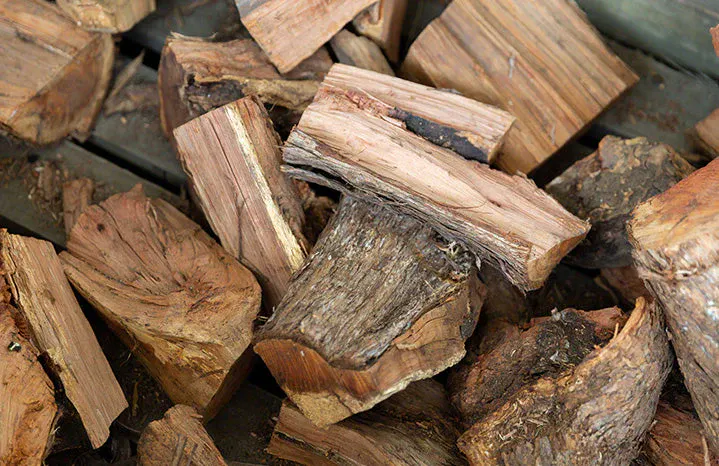
Our manuka smoking wood is a blend of manuka and kanuka, dried a minimum of two years. Green wood produces dirty smoke. Seasoned wood produces clean smoke. That is the difference between bitter creosote and genuine wood flavour.
Best for: Red meat, pork, game, pizza ovens, hangi, braai.
Pohutukawa
Pohutukawa is a dense native hardwood. It burns long with a mild, slightly sweet smoke that does not overpower anything.
This is the wood to reach for when you want flavour without aggression. Red meat and pork both take pohutukawa beautifully. Lamb shoulder smoked over pohutukawa for eight hours is hard to beat.
We source our pohutukawa from consented tree removals around Auckland, then season it for two years or more. It is not plantation timber. When it is gone, it is gone until the next lot comes in.
Best for: Red meat, pork, lamb, pizza ovens.
Fruitwood (pear, apple, plum)
Fruitwood is the lightest and most delicate of the lot. The smoke is aromatic and subtle. You are adding flavour, not heat.
This is what you want for long, slow cooks where the protein is mild. Chicken, fish, pork belly. Anything that would be overwhelmed by manuka or pohutukawa.
Fruitwood burns cooler than the native hardwoods, so it works best as a flavour addition on top of a charcoal base rather than your primary fuel. A few chunks on a bed of lump charcoal gives you the heat you need with the smoke you want.
Best for: Chicken, fish, pork belly, long and slow cooks.
Puriri
Puriri is the densest, hottest burning wood we stock. It throws serious heat for a long time with a moderate smoke profile.
We only carry it in summer and stock is always limited. When we have it, it goes fast. Puriri is best suited to open-flame cooking: BBQ, braai, or any cook where you need raw heat and sustained coals.
It is less common as a dedicated smoking wood because the density means it does not produce as much visible smoke as manuka. But blended with a lighter wood it adds hours of burn time.
Best for: BBQ, braai, high-heat grilling.
How much wood to use
The most common mistake is using too much. Smoke should be barely visible. Thin, blue smoke. If you can see thick white billows, you are overdoing it and the meat will taste acrid.
For a standard offset or kettle smoke:
- Two to four fist-sized chunks is enough for a four to six hour cook
- Add one chunk at a time when the smoke thins out
- Splits (larger pieces) suit fireboxes and offset smokers where the wood is your primary fuel
If you are using a smaller cooker like a Weber kettle, chunks are the way to go. Place them directly on the coals and let them catch naturally. Do not soak them. Wet wood produces steam and dirty smoke, not flavour.
Combining wood with charcoal
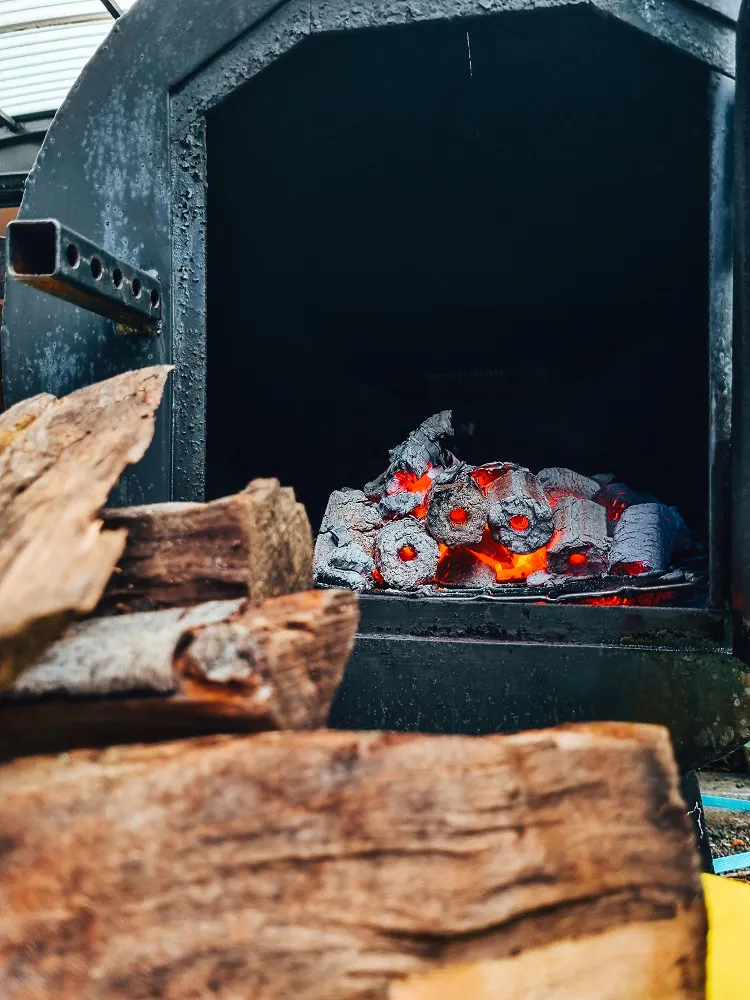
Most smoking setups work best with charcoal as the base heat and wood as the flavour source. The charcoal gives you consistent temperature. The wood gives you smoke.
Lump charcoal is the natural partner. It burns clean, responds to airflow, and does not produce chemical off-flavours the way briquettes can.
For longer cooks over six or eight hours, charcoal logs hold temperature without needing constant attention. Add your smoking wood chunks on top and you have a fire that runs itself.
This is how most competition smokers run their fires. Charcoal for heat management, wood for flavour.
Storing cooking wood
Keep your wood off the ground, under cover, with air circulating around it. A simple rack in the garage or under an eave is ideal.
Cooking wood needs to stay dry. If it absorbs moisture it will smoulder instead of burning cleanly, and the smoke quality drops.
Our wood comes seasoned and ready to burn. Store it properly and it will stay that way for years.
Choosing the right wood
If you are not sure, start with manuka. It is versatile, widely available, and suits most meats. Once you have a few cooks under your belt, try pohutukawa for something milder or fruitwood for chicken and fish.
All our cooking wood is sold by the bag from the yard in Grey Lynn. Call ahead on 09 361 5755 if you want to check stock, especially for pohutukawa and puriri.