Low and slow smoking
Brisket, ribs, pulled pork. How to hold temperature for 6 to 12 hours.
What low and slow actually means
Low and slow smoking is cooking meat at low temperature for a long time. The target range is 110 to 135 degrees Celsius, held steady for anywhere from four to sixteen hours depending on the cut.
The point is to break down tough connective tissue without drying the meat out. Collagen converts to gelatin at around 70 degrees internal temperature, but it takes time. Rush it and you get tough, chewy meat. Hold the temperature steady and let time do the work, and the same cheap cut becomes something remarkable.
This is not grilling. Grilling is hot and fast. Smoking is the opposite. Different fuel strategy, different airflow, different mindset.
Choosing your fuel
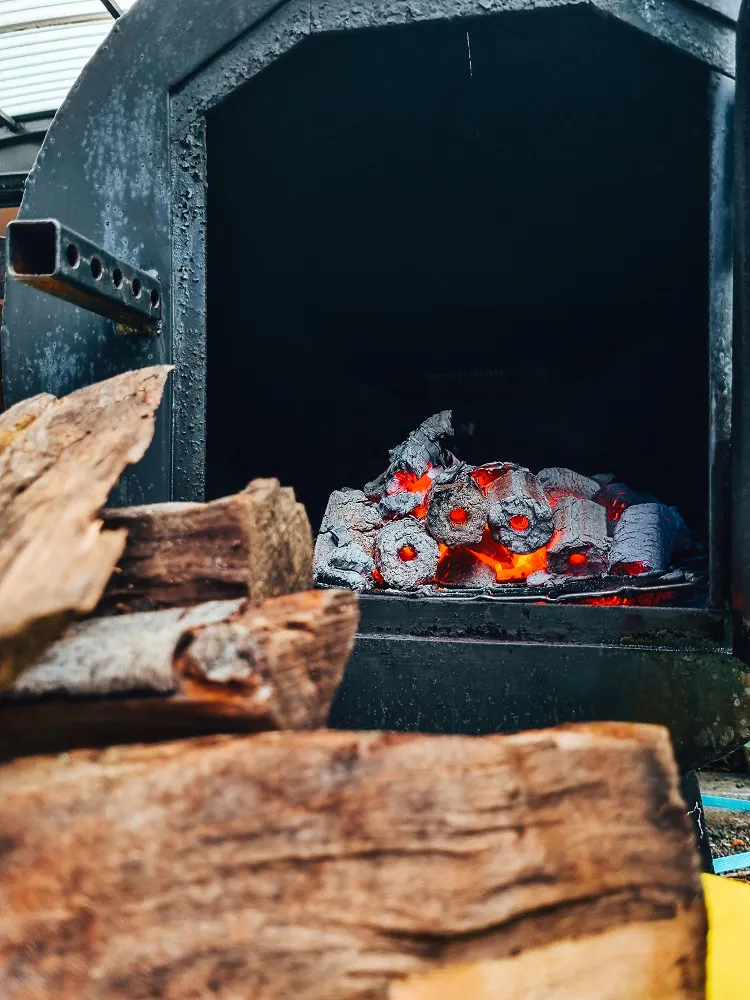
You need two things in the firebox: a heat source and a smoke source.
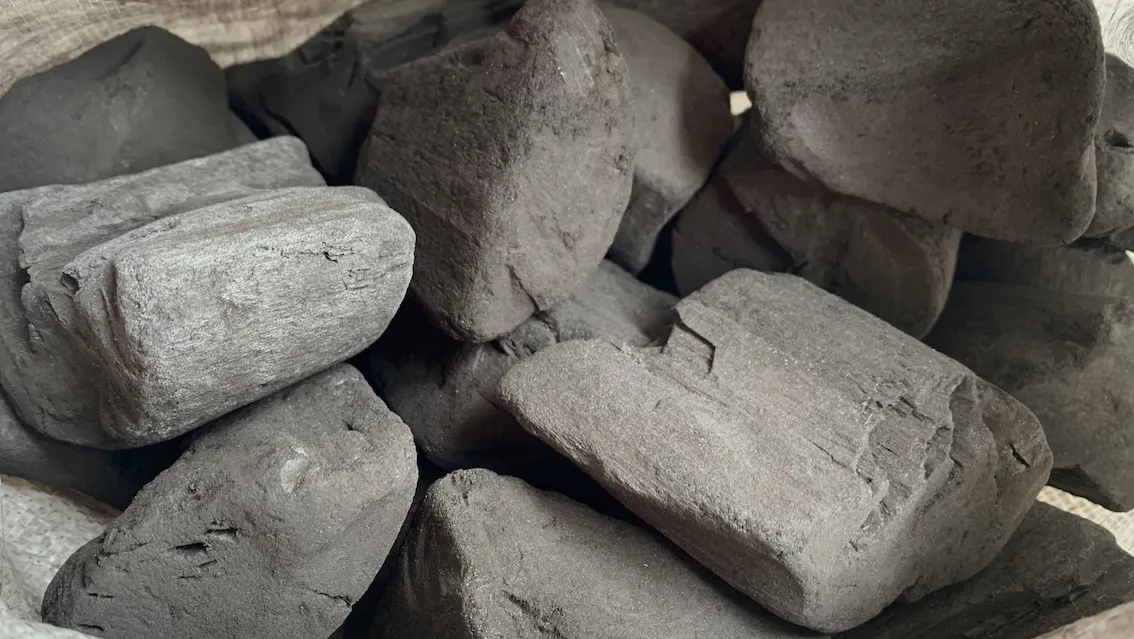
Charcoal for base heat. Lump charcoal gives you a clean, consistent heat bed. It burns hot enough to sustain the temperature range you need but responds well to airflow adjustment. You are not cooking over the charcoal directly. You are using it to generate and hold radiant heat inside a closed chamber.
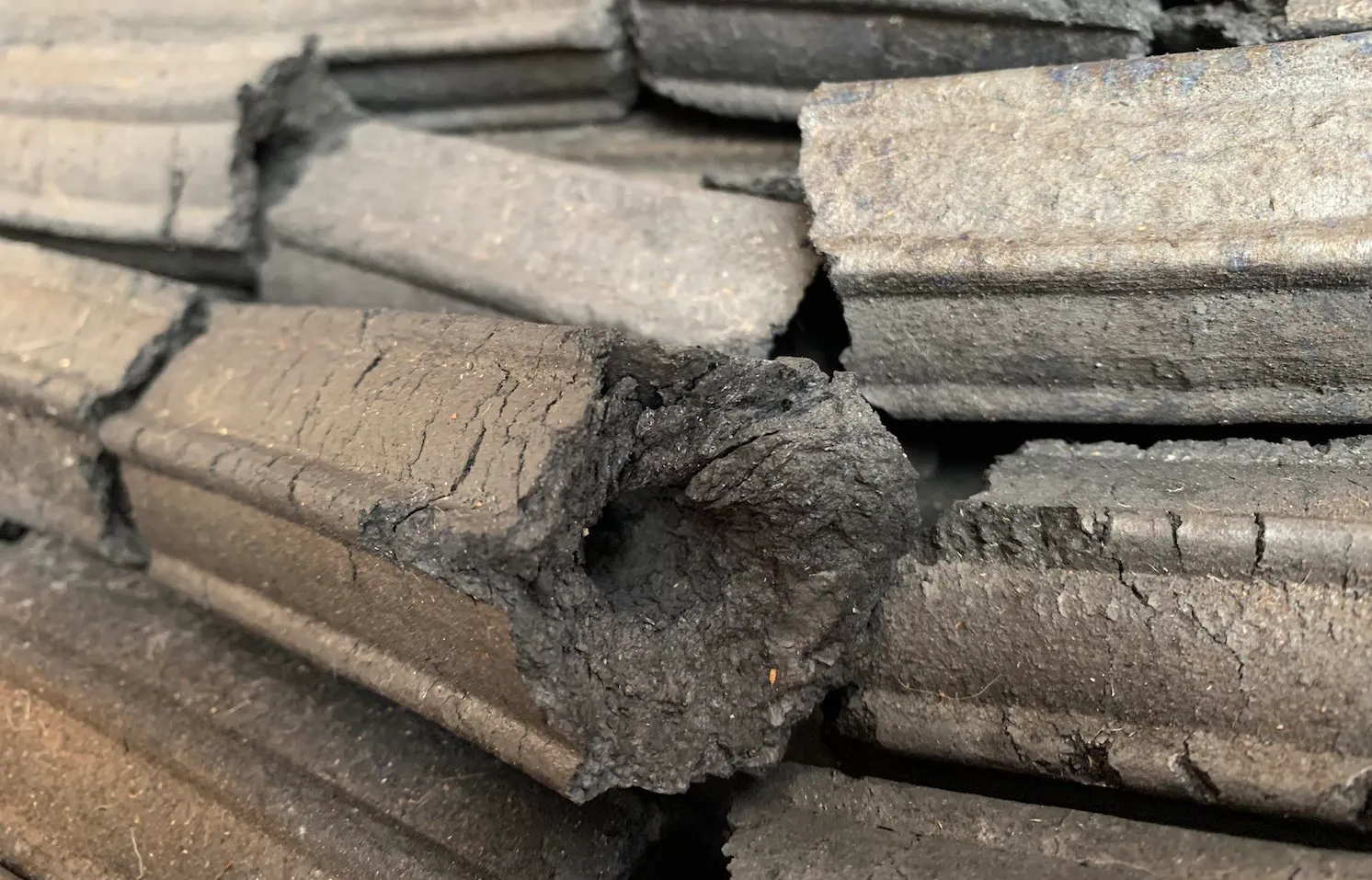
For longer cooks, charcoal logs are worth considering. A compressed hardwood log holds its heat for hours without needing constant attention. Less refuelling means fewer temperature swings when you open the firebox.
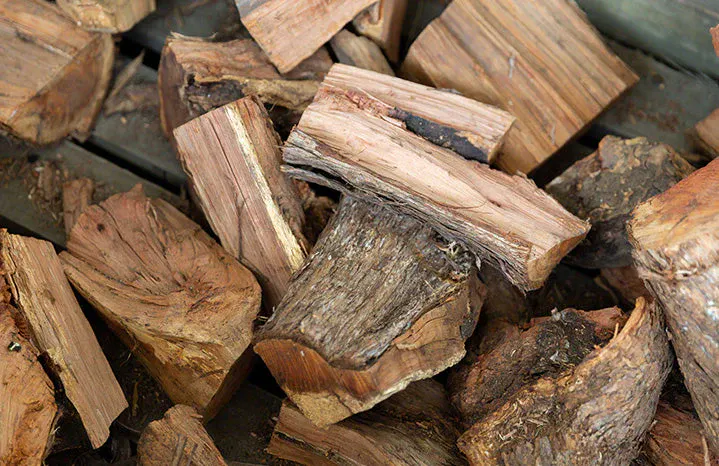
Wood for smoke flavour. The smoke flavour comes from cooking wood added to the charcoal bed. Small splits or chunks, not chips. Chips burn too fast and give a harsh, acrid smoke. You want a slow smoulder that produces thin, blue smoke over several hours.
The charcoal does the heavy lifting on temperature. The wood provides the flavour. Get that separation clear in your head and fuel management becomes straightforward.
Temperature management
Holding 110 to 135 degrees for hours is the core skill of BBQ smoking. Everything else is secondary.
Airflow is your throttle. More air means more combustion, which means more heat. Close down your intake vents to drop temperature. Open them to raise it. The exhaust vent stays mostly open. You want smoke moving through the chamber, not sitting stagnant on the meat.
Start with a stable bed. Light your charcoal and let it establish before you put meat on. A fully lit, ashed-over coal bed is predictable. Half-lit coals will spike as they catch and then drop as they burn through unevenly.
Small adjustments early. If you need to change temperature, adjust vents by small increments and wait fifteen minutes before adjusting again. Overcorrecting is the most common cause of temperature swings. The thermal mass of the cooker means changes are slow to take effect.
A good thermometer matters. Do not trust the dial thermometer in the lid. They read the temperature at the top of the dome, not at the grate where your meat sits. Use a probe thermometer at grate level. Ideally two: one for chamber temperature, one in the meat.
The stall
Somewhere around 65 to 75 degrees internal temperature, the meat will stop climbing. It can sit at the same temperature for two, three, even four hours. This is normal.
The stall happens because moisture evaporating from the surface cools the meat at the same rate the cooker is heating it. It is the same principle as sweating. Eventually the surface dries enough that evaporative cooling slows down, and the temperature starts climbing again.
You have two options. Wait it out, or wrap the meat in butcher paper or foil to push through the stall faster. Wrapping traps moisture against the surface and stops evaporation. The trade-off is a softer bark. Butcher paper is a middle ground: it breathes more than foil but still speeds things up.
Neither approach is wrong. Unwrapped gives a firmer, darker bark. Wrapped is faster and retains more moisture. Try both and decide what you prefer.
Best cuts for smoking
Low and slow smoking suits tough, fatty cuts with a lot of connective tissue. The long cook time converts that tissue into richness.
Brisket. The classic. A whole packer brisket takes 12 to 16 hours at 110 degrees. Smoking brisket is a commitment, but the result is hard to replicate any other way. Look for even marbling and a thick flat.
Ribs. Pork spare ribs or beef short ribs. Smoking ribs is more forgiving than brisket. Four to six hours for pork, six to eight for beef short ribs. A good starting point if you are new to it.
Pulled pork. Pork shoulder (also called pork butt). Eight to twelve hours. The high fat content makes it almost impossible to dry out. Very forgiving for beginners.
Lamb shoulder. Underrated for smoking. The fat renders beautifully over a long cook. Six to eight hours. Works especially well with manuka smoke.
Which wood for which meat
Different woods produce different smoke profiles. There is no single right answer, but some pairings work better than others.
Manuka. Medium smoke intensity. Works with everything. This is the all-rounder for New Zealand smoking. Particularly good with lamb and pork.
Pohutukawa. Mild, slightly sweet. Good with chicken, fish, and pork. Does not overpower lighter meats.
Cherry. Mild and fruity. Pairs well with pork and poultry. Gives a reddish colour to the bark.
Hickory. Strong, classic American BBQ flavour. Traditional for brisket and ribs. Use less than you think you need. Easy to over-smoke with hickory.
Start with manuka if you are unsure. It is local, it is versatile, and it produces a clean smoke that suits most New Zealand palates. You can always experiment from there.
Common mistakes
Too much smoke. More smoke does not mean more flavour. It means bitter, acrid meat. You want thin blue smoke, not thick white billowing clouds. If you can barely see the smoke leaving the exhaust, you are probably in the right zone.
Opening the lid. Every time you open the lid you lose heat and extend your cook time. Check the meat through your thermometer probes, not by lifting the lid every thirty minutes.
Not enough fuel for the full cook. Calculate your fuel needs before you start. Running out of charcoal at hour eight of a twelve-hour brisket cook is not a problem you want to solve under pressure. For long cooks, have more charcoal logs ready than you think you need.
Cooking to time, not temperature. Every piece of meat is different. A brisket is done when it reaches 93 to 96 degrees internal and probes tender, not when the clock says so. Use time as a rough guide. Use temperature and feel as your actual measure.
Starting too hot. It is easier to raise temperature than to lower it. Start your cook at the bottom of your target range and adjust up if needed. An overshooting cooker takes a long time to come back down.
Low and slow smoking rewards patience. Get your fuel right, hold your temperature steady, and let time do the work. That is the whole game.