Lump charcoal vs briquettes
Two fuels, two jobs. How to pick the right one.
Both lump charcoal and briquettes work. They are different tools for different jobs. Knowing which to reach for means knowing what you are cooking, how long the cook runs, and how much control you want over temperature.
What is lump charcoal
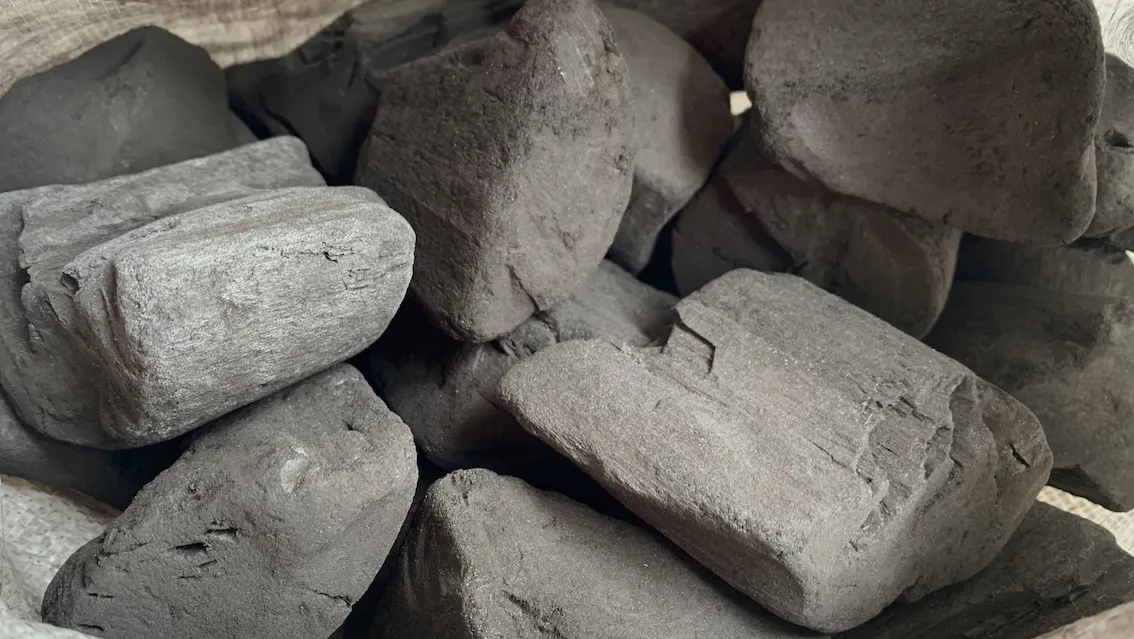
Lump charcoal is natural hardwood burned in a low-oxygen kiln until only carbon remains. No binders, fillers, or chemicals. The wood keeps the shape it had before carbonisation, which is why pieces are irregular.
It lights faster, burns cleaner, and reaches higher temperatures than briquettes. Lump burns at 400 to 700 degrees Celsius depending on airflow. A single load lasts 45 to 90 minutes.
The trade-off is consistency. Piece size varies, so heat output varies. You need to pay attention.
What are briquettes
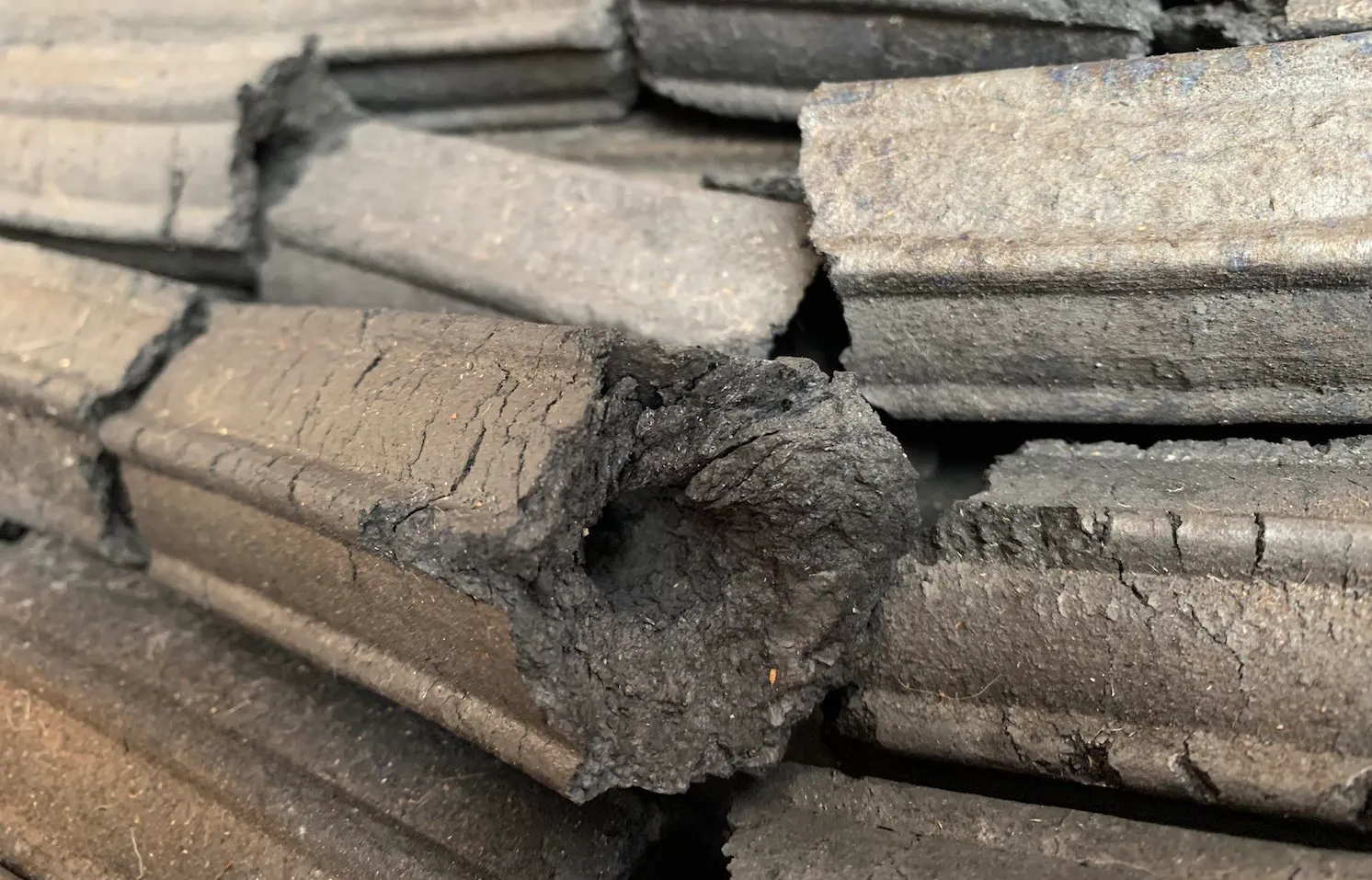
Briquettes are compressed charcoal mixed with binders to hold their shape. The uniform size means each briquette burns the same way. Predictable heat, predictable burn time.
Briquettes burn at a steady 180 to 250 degrees Celsius. They last two to four hours per load. The binders produce more ash than lump, but you get consistency in return.
Not all briquettes are equal. Budget briquettes use more filler and produce heavy, flavour-affecting ash. The compressed charcoal logs we sell use fewer additives and burn cleaner.
When to use lump
Searing and grilling
Steaks, burgers, yakitori, anything where you want high heat and fast response. Open the vents and lump charcoal delivers 600+ degrees. Close them and it drops quickly. This responsiveness is why restaurants use it.
Short cooks under 90 minutes
If your cook fits inside an hour, lump is the more efficient fuel. It lights in 15 to 20 minutes and burns cleanly without needing a second load.
Kamado cookers
The tight airflow control of a kamado stretches lump well past its usual burn time. You get high heat capability with better fuel economy than an open grill.
When to use briquettes
Low and slow
Brisket, ribs, pulled pork. Anything that needs 6 to 12 hours of steady heat. Briquettes hold temperature with minimal intervention. Load the smoker, set the vents, and let them burn.
Large gatherings
Cooking for a group means you need fuel that lasts. Briquettes give you a longer cook window without refuelling every 45 minutes.
Overnight cooks
A snake or minion method with briquettes works well for unattended sessions. The uniform shape makes these fuel arrangements reliable.
Using both
Plenty of experienced cooks use both. Lump charcoal for the initial sear at high heat, then briquettes banked around it for the low and slow phase. You get the best of both fuels in a single cook.
You can pair either with cooking wood for smoke flavour. Manuka and pohutukawa are the most popular choices in New Zealand.
The short version
Lump charcoal: fast, hot, responsive. Best for grilling, searing, and short cooks. 45 to 90 minutes per load.
Briquettes: steady, long, predictable. Best for smoking, slow cooking, and large cooks. 2 to 4 hours per load.
Neither is better. The right fuel is the one that matches your cook.