What is lump charcoal
Natural hardwood, carbonised. Nothing else.
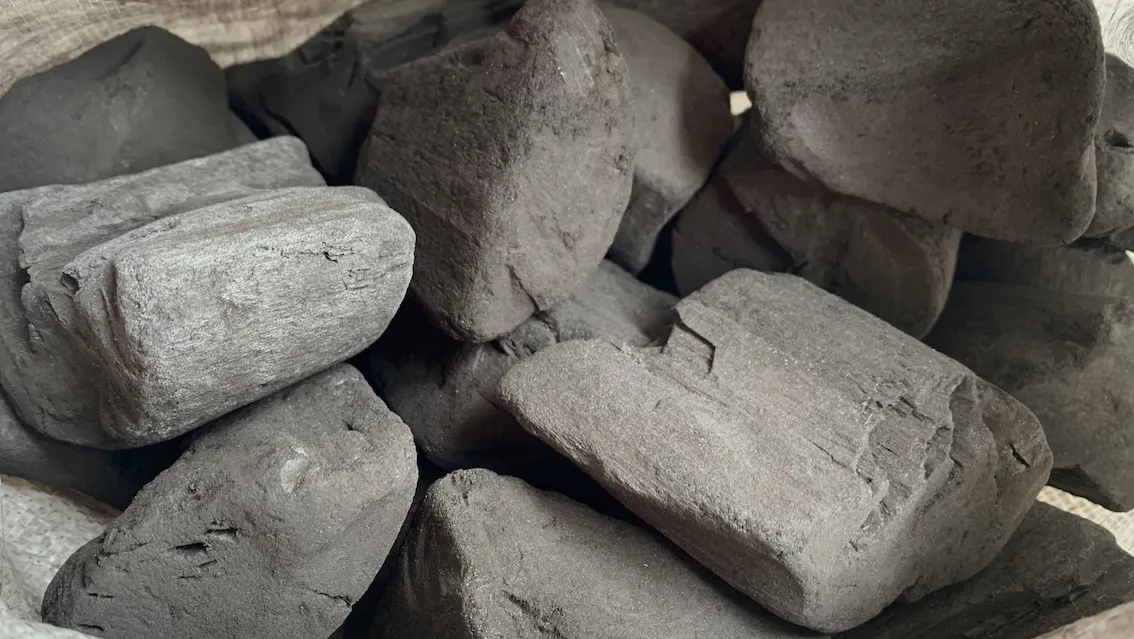
Lump charcoal is pure hardwood that has been burned down to carbon. No binders, no fillers, no additives. Just wood that has had everything except carbon cooked out of it. It lights faster, burns hotter, and leaves far less ash than briquettes or manufactured charcoal products.
If you cook over fire with any regularity, natural lump charcoal is worth understanding properly. The differences between good lump and bad lump are significant, and they show up in your cook.
How lump charcoal is made
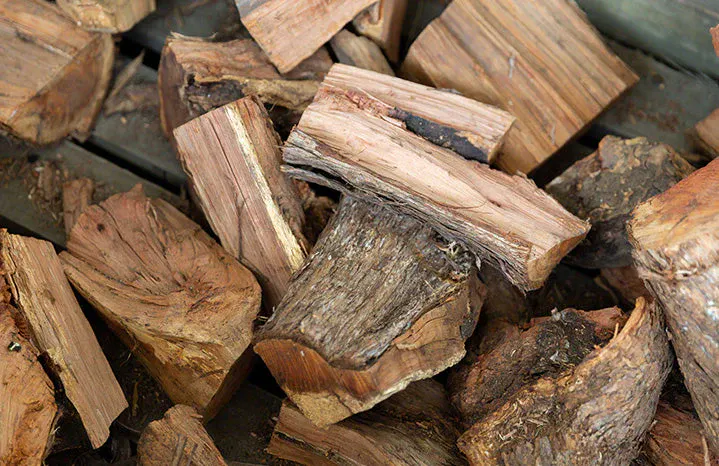
The process is simple in principle. Hardwood is loaded into a kiln or retort and heated in a low-oxygen environment. Without oxygen, the wood cannot combust fully. Instead it carbonises. Moisture, sap, volatile compounds, and gases are driven off over several days, leaving behind a lightweight carbon structure that holds the shape of the original wood.
Good carbonisation takes time and control. Rush it and you get brands, which are partially carbonised pieces that still contain volatile compounds. They smoke excessively and burn unevenly. Proper lump charcoal should be fully carbonised through to the centre of each piece.
The yield from raw timber to finished charcoal is roughly 20% by weight. That tells you how much material is driven off during the process.
What makes it different from briquettes
Briquettes are manufactured. Charcoal dust or sawdust is mixed with binders (typically starch), compressed into uniform shapes, and sometimes coated with accelerants for easier lighting.
Natural lump charcoal is none of that. Each piece is a section of real wood that has been carbonised whole. No glue holding it together. No petroleum-based lighter fluid baked in.
The practical differences:
Lump burns hotter. You can sear at temperatures briquettes cannot reach.
Lump responds to airflow. Open the vents and it ramps up fast. Close them and it settles. This makes it ideal for kamado-style cookers.
Lump produces less ash. A full cook might leave a handful of fine white ash rather than the dense grey residue briquettes leave behind.
Lump lights faster without chemical starters.
Briquettes have their place for long, steady cooks at moderate temperatures. But for high-heat grilling, searing, and anything where responsiveness matters, lump is the better fuel. For a full breakdown, see our lump charcoal vs briquettes guide.
What to look for when buying
Not all lump charcoal is equal. Here is what separates good product from poor product.
Wood species. Dense tropical hardwoods make the best lump charcoal. They carbonise to a dense, heavy piece that holds heat and burns long. Softwoods and plantation timbers carbonise to something light and fast-burning. You want to know what wood is in the bag.
Piece size. Larger, consistent pieces (50 to 100mm) burn more evenly and allow better airflow through your fire. Small fragments and dust settle into a dense mat that chokes airflow. Good producers grade their charcoal to remove fines.
Carbonisation quality. Properly carbonised lump is black through to the centre. Break a piece open. If you see brown wood in the middle, it has not been fully processed. These under-carbonised pieces smoke heavily and spark.
Moisture content. Charcoal is hygroscopic. It absorbs moisture from the air. Quality product stored and packaged properly should be around 5% moisture or less. Damp charcoal is harder to light and wastes energy driving off water before it reaches cooking temperature.
The ring test
This is the simplest quality check you can do. Pick up two pieces of lump charcoal and tap them together.
Good lump rings. It sounds metallic, almost like tapping two pieces of ceramic together. That clear ring tells you the wood is fully carbonised, dry, and dense.
Poor lump thuds. A dull sound means either incomplete carbonisation, high moisture, or low-density wood. It will burn, but it will not perform.
We encourage customers to try this at the yard. Once you hear the difference, you will always check.
What Ci-5 grade means
The lump charcoal we stock is Commodities NZ Ci-5. The Ci-5 designation refers to a specific grading standard for carbonisation quality, piece size, and moisture content.
Ci-5 lump is made from Vitex pubescens, a Southeast Asian hardwood known for its density. It is sustainably sourced from managed forestry in Indonesia, hand-processed, and graded to ensure consistent piece size between 50 and 100mm. Moisture sits at approximately 5%. Ash content is low.
This is not a commodity product thrown into bags at random. Each batch is graded and the oversized or undersized material is separated out. What reaches you is uniform, properly carbonised hardwood charcoal that performs consistently cook after cook.
What lump charcoal is best for
Natural lump charcoal excels anywhere you need high heat, fast response, or clean flavour.
Searing. Lump reaches temperatures that give you a proper crust on a steak in sixty seconds. No other solid fuel gets there as fast.
Grilling. Direct heat cooking over lump gives you clean flavour without the chemical taint that poorly made briquettes can impart.
Yakitori and skewer cooking. The traditional fuel for yakitori is binchotan, but quality lump charcoal in a konro grill gives excellent results. Hot, even, and responsive.
Kamado cooking. Ceramic cookers like the Big Green Egg and Kamado Joe are designed for lump. The airflow control that makes kamados special only works properly with a fuel that responds to oxygen changes. Lump does. Briquettes are sluggish.
Pairing with wood. For smoke flavour, add cooking wood chunks on top of your lump charcoal bed. The lump provides the heat. The cooking wood provides the smoke. Manuka, pohutukawa, or fruit woods all work well depending on what you are cooking.
If you want to try quality lump charcoal in NZ, visit the yard at 259 Great North Road, Grey Lynn. We are happy to walk you through the options and you can do the ring test yourself.