Charcoal logs vs briquettes
They look similar. They are not the same product.
People often assume charcoal logs and charcoal briquettes are interchangeable. Both are compressed. Both come in uniform shapes. But the similarities end there. The raw materials, binder ratios, and burn characteristics are different enough that choosing the wrong one will affect your cook.
We have stocked compressed charcoal logs at the yard since the mid-nineties. We have also seen plenty of customers switch after one bag of supermarket briquettes left a layer of grey ash over their food. Here is what separates the two.
What compressed charcoal logs actually are
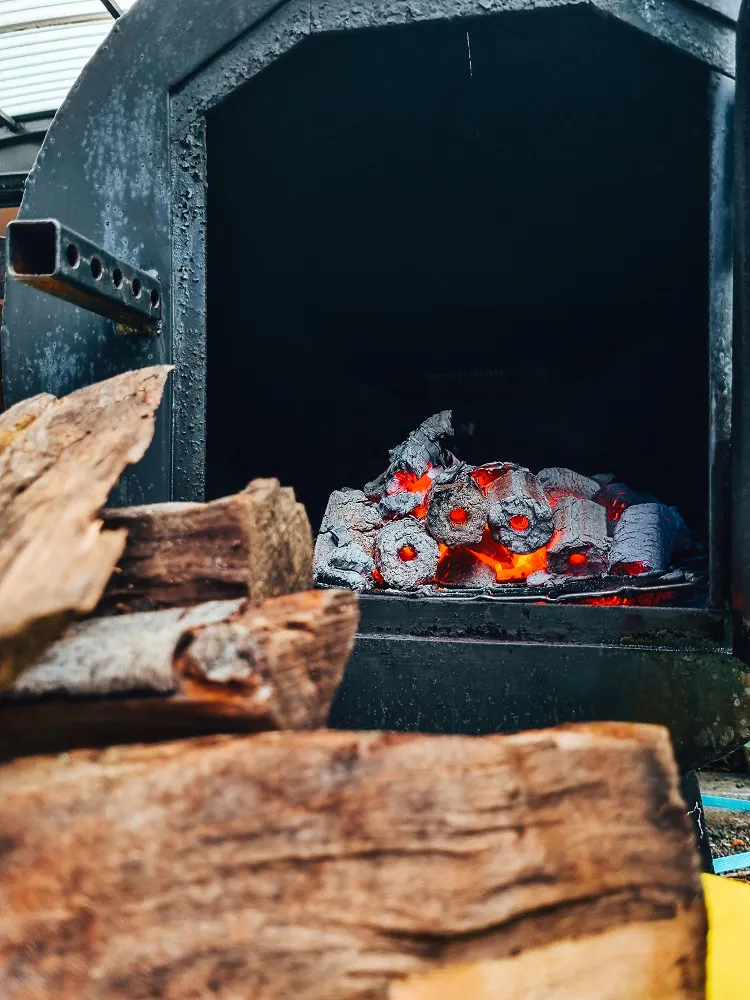
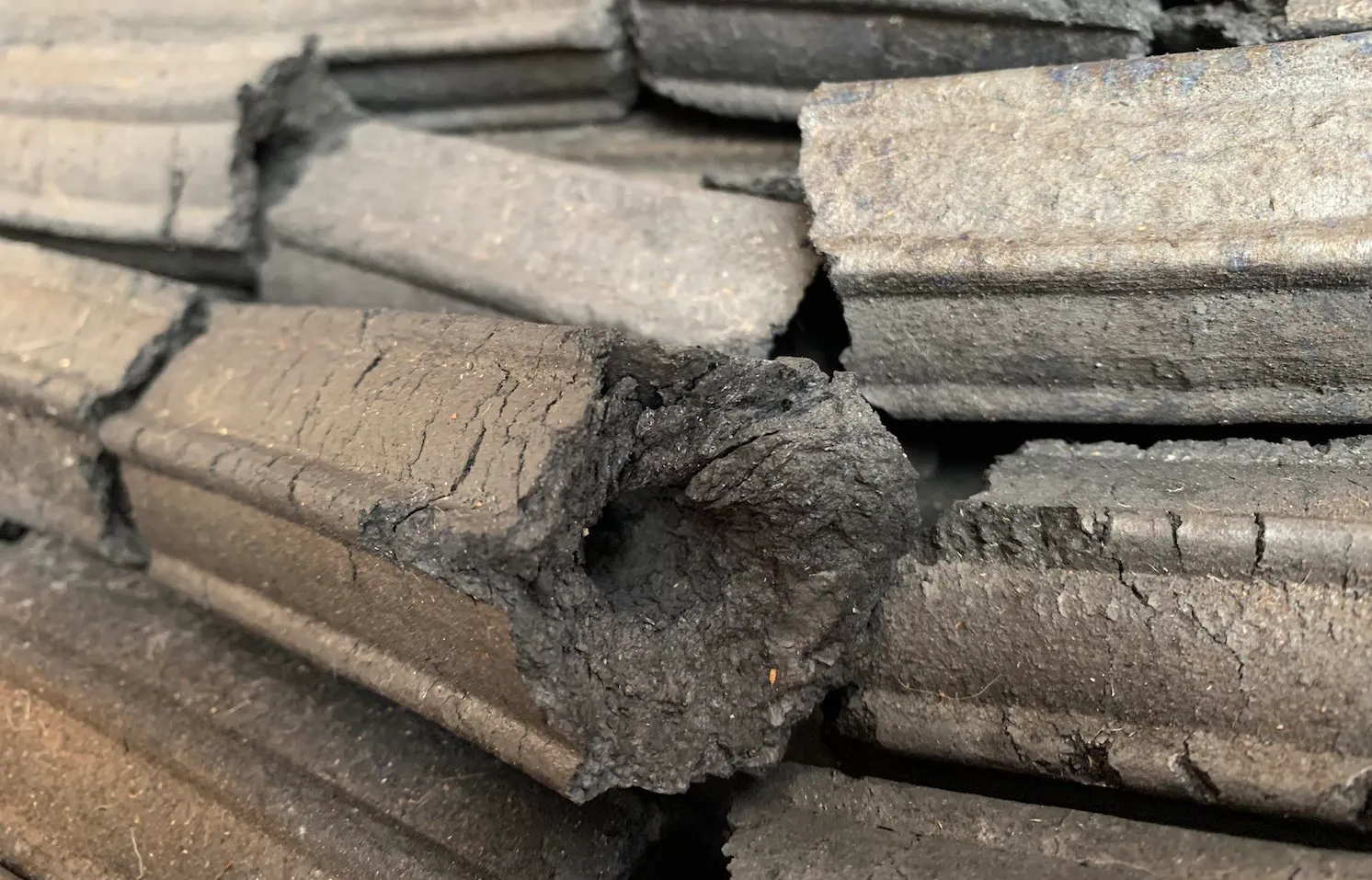
A charcoal log starts with carbonised hardwood. The wood is fully converted to charcoal first, then ground and compressed under high pressure with a small amount of natural binder, usually tapioca starch or similar. The result is a dense, uniform log that holds together without chemical additives.
Because the base material is already charcoal, the log burns cleanly from the start. No acrid smoke phase. No off-flavours while it gets up to temperature. The compression gives it a long, even burn profile that suits extended cooks.
Our charcoal logs are $43 a box. Dense, clean-burning, and consistent from the first log to the last.
What supermarket briquettes are
Budget BBQ briquettes use a different formula. The base is usually a mix of charcoal dust, coal fines, sawdust, and sometimes limestone or sodium nitrate. Binders hold it together: borax, starch, and sometimes petroleum-based compounds.
None of this makes them dangerous to cook with. But it does affect performance. More filler means more ash. More chemical binder means more smoke during the lighting phase. More non-carbon material means less available heat per kilogram.
The shape is similar to a charcoal log. The contents are not.
Key differences between charcoal logs and briquettes
Additives. Compressed charcoal logs use one or two natural binders at most. Charcoal briquettes can contain five or six additives, including accelerants and calcium compounds that help them hold shape on the shelf.
Ash production. This is the clearest practical difference. A charcoal log leaves a thin layer of fine white ash. Budget briquettes leave heavy grey ash that can choke airflow in a kettle or offset smoker. On a long cook, you may need to clear ash mid-session with briquettes. Logs rarely need it.
Burn quality. Logs burn at a steady, predictable rate. The compression is uniform, so heat output stays consistent. Briquettes can burn unevenly if the filler ratio varies between batches, which it often does at the budget end.
Flavour. Clean charcoal produces clean heat. No chemical taste, no acrid notes during startup. Briquettes with petroleum-based binders or high filler content can impart a subtle off-flavour, especially in the first twenty minutes of a cook. Most people mask it with wood chips. Better to start clean.
When charcoal logs are the better choice
Long cooks. If you are running an offset smoker for eight hours, you want fuel that burns predictably and does not dump ash into your firebox. Charcoal logs hold temperature with minimal intervention.
Commercial use. Restaurants and food trucks need consistency across shifts. A box of logs performs the same every time. That matters when your reputation depends on it.
Overnight burns. Set up a snake or minion method with charcoal logs and you can hold 110 to 120 degrees through the night without getting up to manage ash or add fuel.
Any cook where flavour matters. If you are smoking brisket for fourteen hours, you do not want your fuel contributing anything except heat. Pair logs with cooking wood for smoke flavour and let the charcoal do its job cleanly.
When budget briquettes are fine
Casual weeknight grilling. If you are cooking sausages for the kids and packing up in forty minutes, the fuel is less critical. Light them, cook, done.
High-heat searing where you are adding other flavour. Briquettes under a cast iron grate will get hot enough for steaks. If you are seasoning heavily and cooking fast, the subtle flavour differences matter less.
Briquettes are not bad. They are a different product for a different purpose. The issue is when people use them expecting the performance of compressed charcoal and get disappointed.
How to tell them apart
Weight. Pick up a charcoal log and a briquette of similar size. The log is noticeably denser. More charcoal per unit volume means more energy stored in the fuel.
Ash colour. Burn one of each and compare. Charcoal logs leave white or very light grey ash. Heavy grey or tan ash with visible chunks means high filler content.
Smell when burning. Light a log and a briquette side by side. The log should produce almost no smell beyond a faint woody note. If you smell chemicals, petroleum, or a sharp acrid note from the briquette, those are the binders and fillers burning off.
Price. Genuine compressed charcoal logs cost more per kilogram than budget briquettes. That is because the raw material is better and the filler content is lower. You are paying for charcoal, not calcium carbonate.
Pairing logs with lump charcoal
Many experienced cooks use both. Lump charcoal lights fast and gets hot quickly, making it ideal for starting a fire or boosting temperature. Charcoal logs sustain the burn over hours.
A common setup: light lump charcoal to establish the fire, then feed compressed logs for the duration of the cook. You get fast ignition from the lump and long, steady heat from the logs.
For more detail on how lump compares to briquettes in general, see our lump charcoal vs briquettes guide.
The right fuel for the job
If your cook is longer than an hour, if flavour matters, or if you are tired of clearing ash every thirty minutes, charcoal logs are worth the step up. They cost more than supermarket briquettes because they contain more actual charcoal and less of everything else.
Visit us at the Grey Lynn yard or call 09 361 5755. We are happy to help you pick the right product for your setup.